The anti-aging math is changing
I don't know if we'll get any serious life-extension drugs anytime soon, but maybe AI will get us there. Most anti-aging claims have been impossible to take seriously, but things are getting serious now.
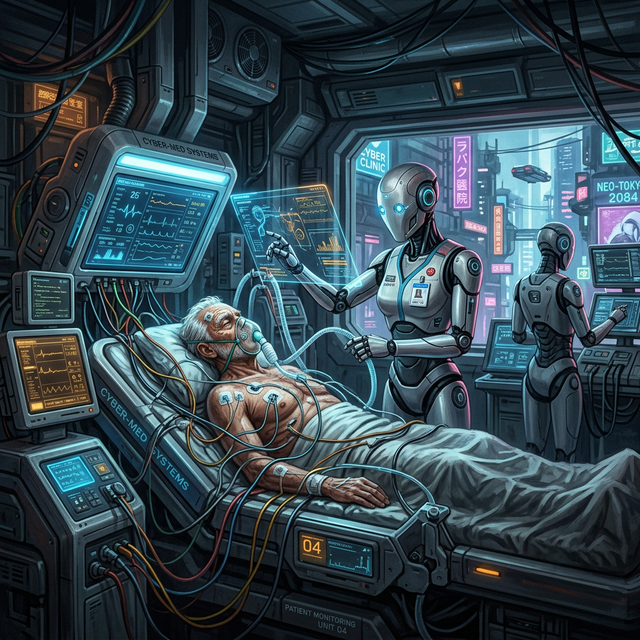
AI is currently tearing through biology. A few years ago, AlphaFold solved the 50-year-old protein folding problem. Now, models are generating new proteins that never existed in nature, designed to target specific cellular mechanisms. The pipeline for drug and therapy discovery is shrinking from decades to months.
This doesn't mean we'll get an immortality pill tomorrow. Reality is messy, and human biology is vastly more complicated than code. But it does mean the timeline for serious, structural life-extension therapies is compressing. We are getting closer to treatments that can actually repair cellular damage instead of just managing symptoms.
This creates a brutal kind of friction. If the therapies arrive in twenty years, you need to be alive in twenty years to take them.
Right now, optimizing your health isn't just about avoiding a heart attack at 60. It's about surviving in good enough shape to make it to the bridge. You need a body capable of receiving and surviving the treatments when they finally drop. If your organs are failing, the latest gene therapy probably won't save you.
You don't need to biohack yourself into misery. You don't need a $10,000 supplement stack. But you do need to stop eating garbage, lift heavy things, and get some sleep. The longer you hang on without systemic disease, the higher your chances of hitting the curve where medical science outpaces biological decay.
The game is simple: stay intact long enough to see what happens.